FenceOff Home

Category

Property Rights & Legal Guidance

21 articles

The Invisible Landlord: How Out-of-State Property Owners Are Escalating Boundary Conflicts From a Safe Distance

The Invisible Landlord: How Out-of-State Property Owners Are Escalating Boundary Conflicts From a Safe Distance

Across American neighborhoods, a growing number of boundary disputes are being driven not by the people who live next door, but by distant investors and absentee owners who direct aggressive legal and construction tactics through intermediaries. The physical and emotional distance these owners maintain from their properties emboldens strategies that face-to-face neighbors rarely pursue. Understanding how this dynamic operates — and how to respond — has become an essential skill for homeowners na

Faceless Neighbors: How LLCs, Trusts, and Shell Companies Are Making Boundary Disputes Nearly Impossible to Resolve

Faceless Neighbors: How LLCs, Trusts, and Shell Companies Are Making Boundary Disputes Nearly Impossible to Resolve

Across American neighborhoods, a growing number of residential properties are quietly passing into the hands of corporate entities, trusts, and limited liability companies — ownership structures that can make it extraordinarily difficult to identify who is actually responsible for a shared fence line or encroachment. For homeowners attempting to resolve boundary conflicts, the inability to reach a human decision-maker is not merely frustrating; it can be legally and financially paralyzing. This

Beneath Your Feet: The Hidden Web of Utility Easements That May Limit What You Can Do With Your Own Land

Beneath Your Feet: The Hidden Web of Utility Easements That May Limit What You Can Do With Your Own Land

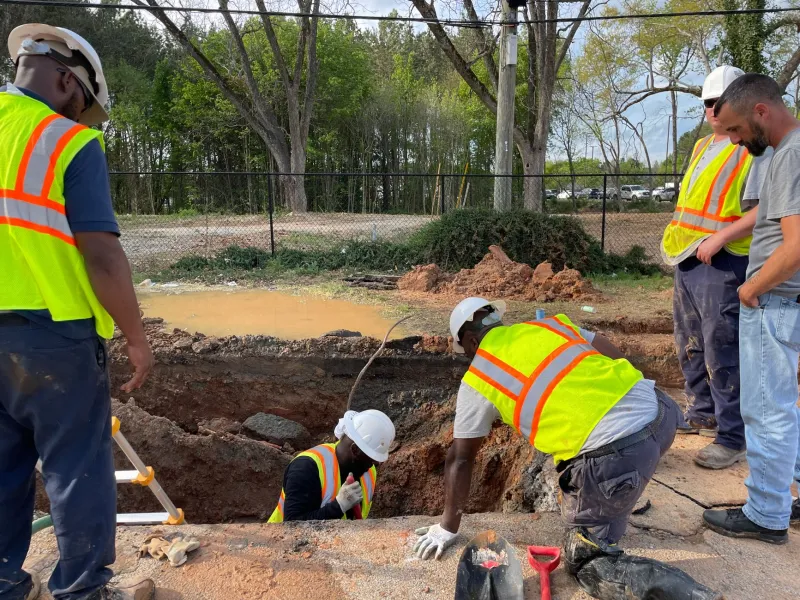
Most American homeowners have no idea that electric, gas, water, and telecommunications companies hold legally enforceable rights to portions of their land — rights that can override the owner's own plans for their property. These utility easements are recorded in documents few buyers ever read, and the consequences of ignoring them can be costly. Understanding what lies beneath your property line may be one of the most important legal exercises a homeowner can undertake.

Posted and Ignored: The Uncomfortable Truth About What No Trespassing Signs Actually Do

Posted and Ignored: The Uncomfortable Truth About What No Trespassing Signs Actually Do

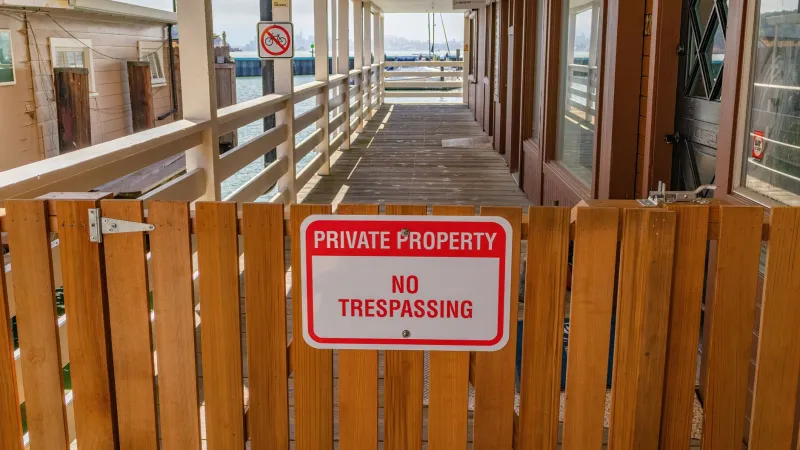
Millions of American property owners stake "No Trespassing" signs into their ground believing they have erected a legal shield around their land. The reality is considerably more complicated — and in some situations, those signs may accomplish far less than the homeowner assumes. Understanding what these postings genuinely achieve, and where they fall short, is essential knowledge for anyone serious about protecting their property.

Before You Call the Lawyer: A Homeowner's Honest Guide to Deciding Whether Your Encroachment Battle Is Worth Fighting

Before You Call the Lawyer: A Homeowner's Honest Guide to Deciding Whether Your Encroachment Battle Is Worth Fighting

Not every encroachment demands a courtroom. Before committing to litigation over a disputed property line, homeowners must weigh the true financial and emotional costs against what they stand to recover — and the calculus is rarely as straightforward as it appears. This guide examines the strategic decisions, settlement alternatives, and hard truths that experienced boundary attorneys encounter every day.

Mapped Into a Mistake: Why Your Phone's Property Lines Are a Legal Fiction

Mapped Into a Mistake: Why Your Phone's Property Lines Are a Legal Fiction

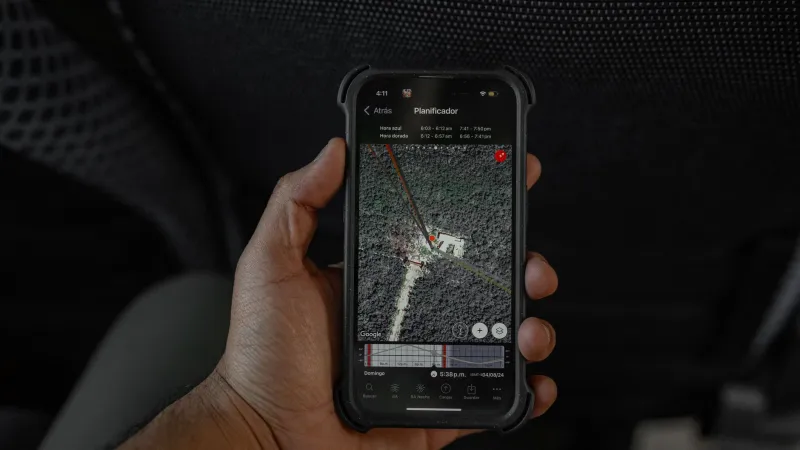
Millions of American homeowners are making consequential decisions about fences, additions, and landscaping based on digital maps that were never designed to convey legal boundaries. GPS coordinates and popular mapping applications carry systematic errors that can place a property line dozens of feet from its true legal position. Understanding why these tools fail — and where to turn instead — may be the most important thing a property owner can do before breaking ground.

Losing Ground: How Adverse Possession Laws Are Quietly Transferring American Property — and What You Must Do Now

Losing Ground: How Adverse Possession Laws Are Quietly Transferring American Property — and What You Must Do Now

A centuries-old legal doctrine once designed to settle frontier disputes is now being invoked in suburban cul-de-sacs and rural counties alike, stripping homeowners of land they believed was theirs. Adverse possession claims are rising across the United States, and many property owners don't discover the threat until it's too late. Understanding how this law operates — and how to neutralize it before it matures — may be one of the most important steps you ever take as a landowner.

When the Ground Shifts: How Erosion, Flooding, and Natural Disasters Are Quietly Redrawing American Property Lines

When the Ground Shifts: How Erosion, Flooding, and Natural Disasters Are Quietly Redrawing American Property Lines

Across the United States, climate-driven forces — flooding, landslides, coastal erosion, and wildfire-related soil instability — are physically altering the landscapes that property surveys once captured with precision. For homeowners, this creates a disorienting legal reality: the boundaries recorded in county deed books may bear little resemblance to what now exists on the ground. Understanding how American property law responds to nature's interference is no longer an academic exercise — it i

When the Fence Becomes the Fight: How a Simple Structure Turns Into a Legal Liability

When the Fence Becomes the Fight: How a Simple Structure Turns Into a Legal Liability

Most homeowners assume that building or maintaining a fence is a straightforward act of property management. In reality, the fence itself — its placement, its materials, and the question of who paid for it — can become the central exhibit in a costly legal dispute. This article examines how a structure meant to resolve boundary questions often ends up creating entirely new ones.

What the Seller Isn't Telling You: How to Uncover a Property's Boundary Dispute History Before You Sign

What the Seller Isn't Telling You: How to Uncover a Property's Boundary Dispute History Before You Sign

A home's past conflicts over property lines rarely appear on a listing sheet — but they can define your experience as an owner for years to come. Before you make an offer, there are concrete, actionable steps to surface a property's hidden boundary dispute history. This guide walks you through the public records, neighbor conversations, and disclosure laws that could save you from inheriting someone else's unresolved fight.

What County Records Actually Tell You About Your Property Lines — And Where They Go Silent

What County Records Actually Tell You About Your Property Lines — And Where They Go Silent

Public records can reveal a surprising amount about your property boundaries — but they can also mislead you in ways that don't become apparent until a dispute is already underway. Understanding both the value and the limitations of county databases, historical plats, and deed descriptions is essential for any homeowner serious about protecting what they own.

Hidden in the Deed: How Easements Can Strip Away Your Property Rights Without Warning

Hidden in the Deed: How Easements Can Strip Away Your Property Rights Without Warning

Millions of American homeowners purchase property without realizing that buried within their title documents lies language granting others legal access to their land. Easements—often decades old and poorly understood—can prevent fencing, block construction projects, and invite unwanted foot traffic across your yard. Understanding how to identify and respond to these encumbrances before conflict erupts is one of the most important steps any property owner can take.

The $500 Decision That Could Save You $50,000: A Homeowner's Guide to Professional Property Surveys

The $500 Decision That Could Save You $50,000: A Homeowner's Guide to Professional Property Surveys

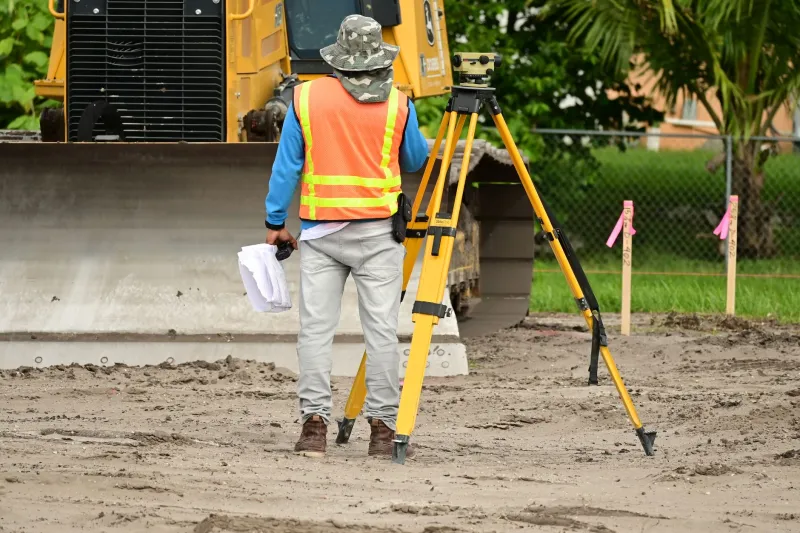
Most homeowners never think about a professional property survey until they are standing in a courtroom or writing a check to a contractor who just demolished the wrong fence. The scenarios in which a survey would have prevented significant financial loss are far more common—and far more varied—than most people realize. This guide examines the critical moments when a survey matters most, what it actually reveals, and why skipping one is rarely the bargain it appears to be.